Train the Trainers Series
Founding Members receive first access to Train the Trainers clinics and classes.
Learn more about the Trainers Pathway.
APPLICATIONS ARE NOW OPEN FOR THE OCTOBER CLINIC WITH TIAGO
Tiago Ernesto, Elite WE Academy | Wellington, FL
photo credit Ernesto Photography
Knowing the phases, obstacles, and movements of working equitation is important. But teaching the sport well requires more than knowing how to ride it. It requires the ability to organize a lesson, explain clearly, build confidence, maintain safety, and help riders progress step by step.
The Train the Trainers Pathway is being developed to support exactly that kind of growth.
Teaching Is Its Own Skill
Working Equitation Florida is building toward a larger educational program, Working Equitation Academy USA, designed to support trainers, instructors, and mentors in the sport and this Train the Trainers Pathway is the first step in that direction.
A good rider is not automatically a good instructor.
Strong teaching depends on communication, observation, timing, patience, organization, and the ability to break a skill down into manageable pieces. It requires an instructor to understand not only what the rider should do, but how to help that rider understand it, feel it, and repeat it successfully.
Many talented horsemen and riders have never had much formal preparation in how to teach. That does not mean they cannot become excellent instructors. It means they benefit from structure, practical tools, and a clearer framework for teaching.
That is part of what WEFL intends to provide.
Beyond Riding the Sport
Working equitation instructors need more than obstacle ideas and dressage tests. They need support in how to teach riders of different levels, how to structure safe and productive lessons, how to use repetition effectively, how to introduce challenges progressively, and how to build understanding rather than confusion.
They also need to know how to work with real-world lesson programs: mixed levels, limited time, different horses, varying confidence levels, and students who may be brand new to the sport.
Good teaching is not simply delivering information. Good teaching creates progress.
What Strong Instruction Includes
Effective instruction usually includes a combination of preparation, explanation, demonstration, practice, correction, repetition, and review.
It starts with knowing the goal of the lesson and preparing the horses, riders, equipment, and arena accordingly. It continues with clear explanation, thoughtful exercises, and well-timed feedback. It ends with reflection on what was learned, what improved, and what should come next.
In other words, good teaching has structure. It is not random. It is not reactive. And it is not just “let’s go ride and see what happens.”
Teaching Progressively
One of the most important skills an instructor can develop is learning how to teach progressively.
That means meeting riders where they are. It means introducing concepts in an order that builds confidence and understanding. It means simplifying when necessary, repeating when helpful, and knowing when a rider is ready for the next step.
In working equitation, progressive teaching matters at every level. Balance must come before precision. Clarity must come before speed. Confidence must come before complexity.
When instruction is progressive, horses and riders develop on a stronger foundation.
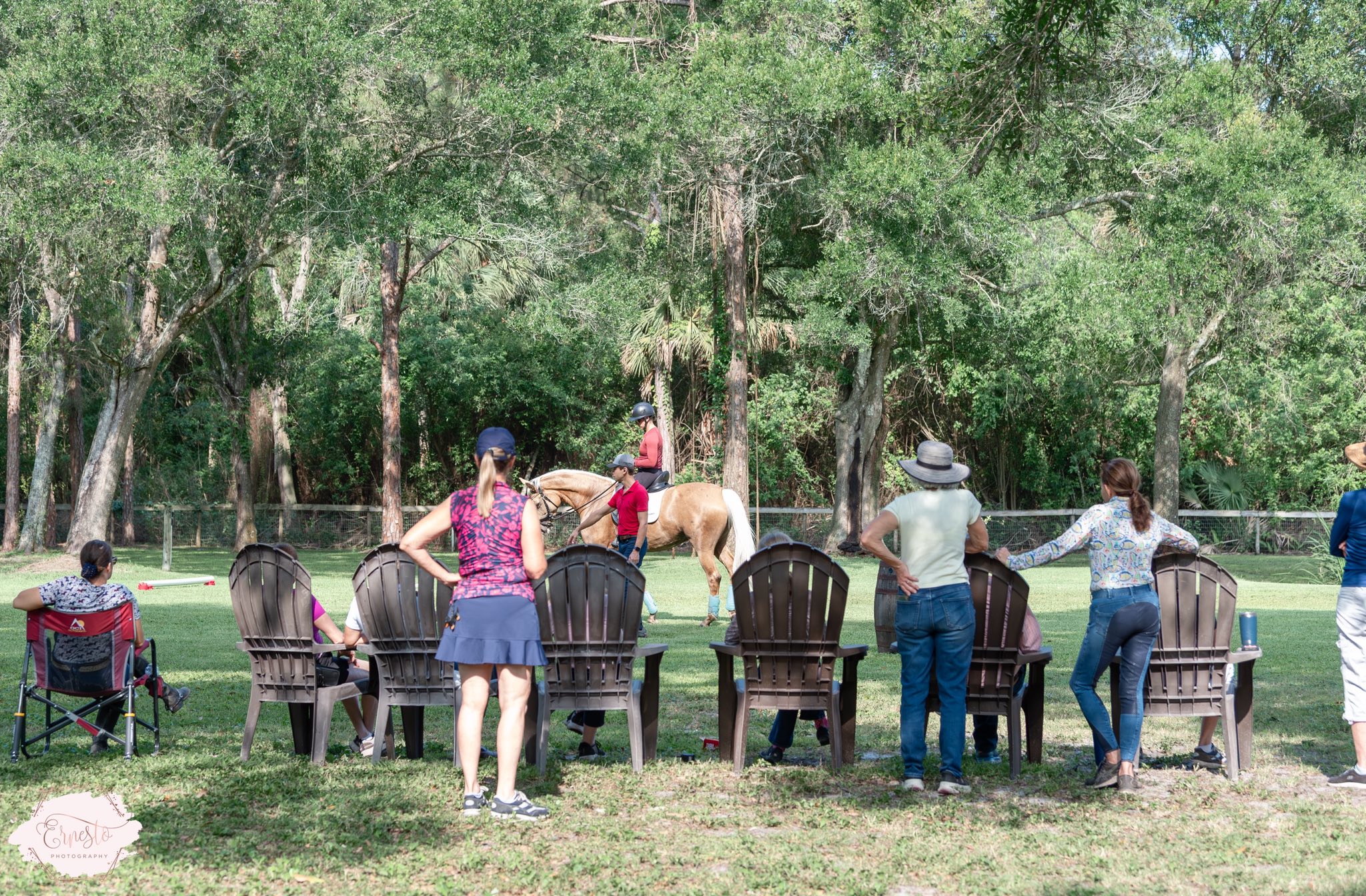
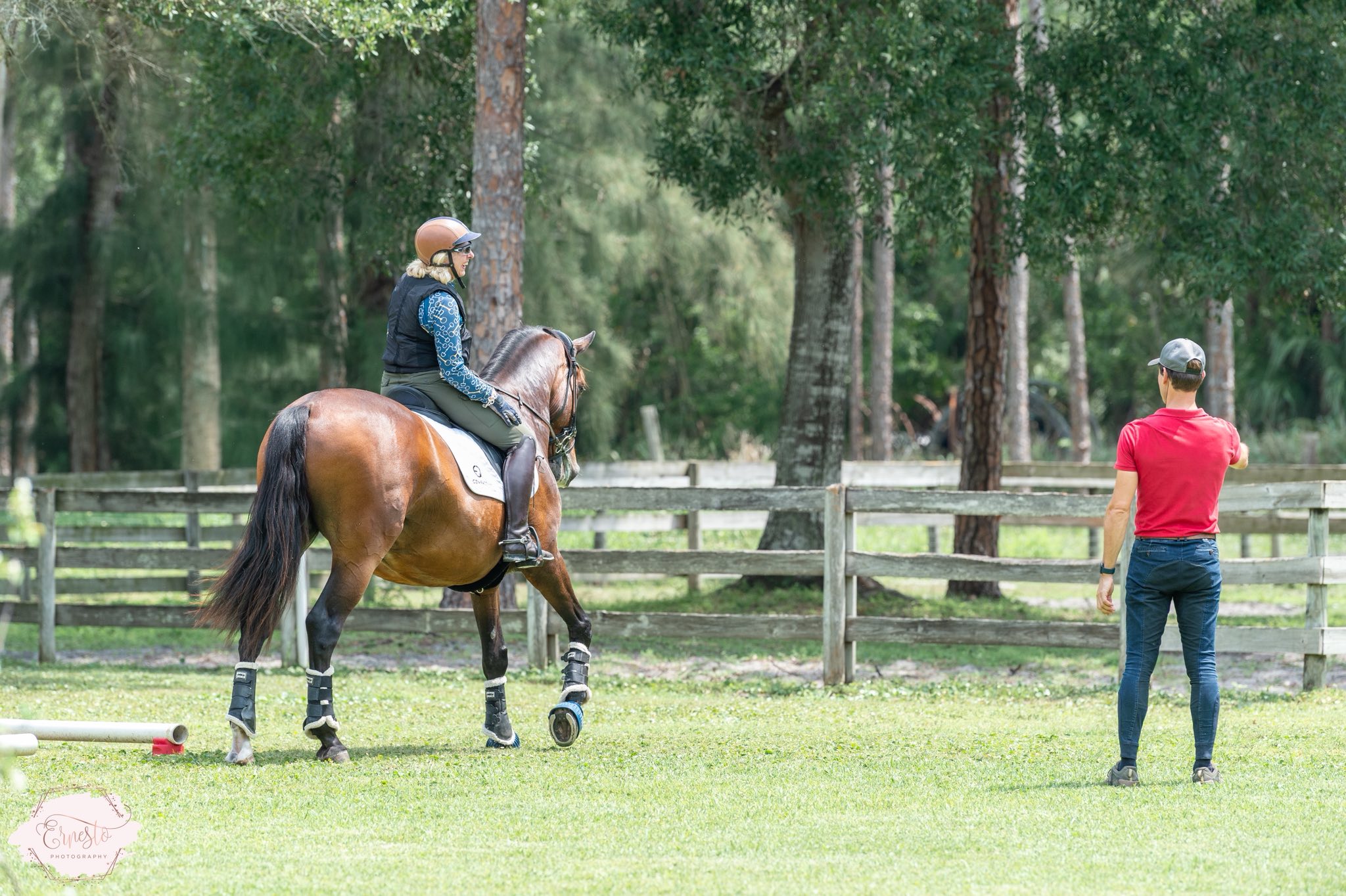
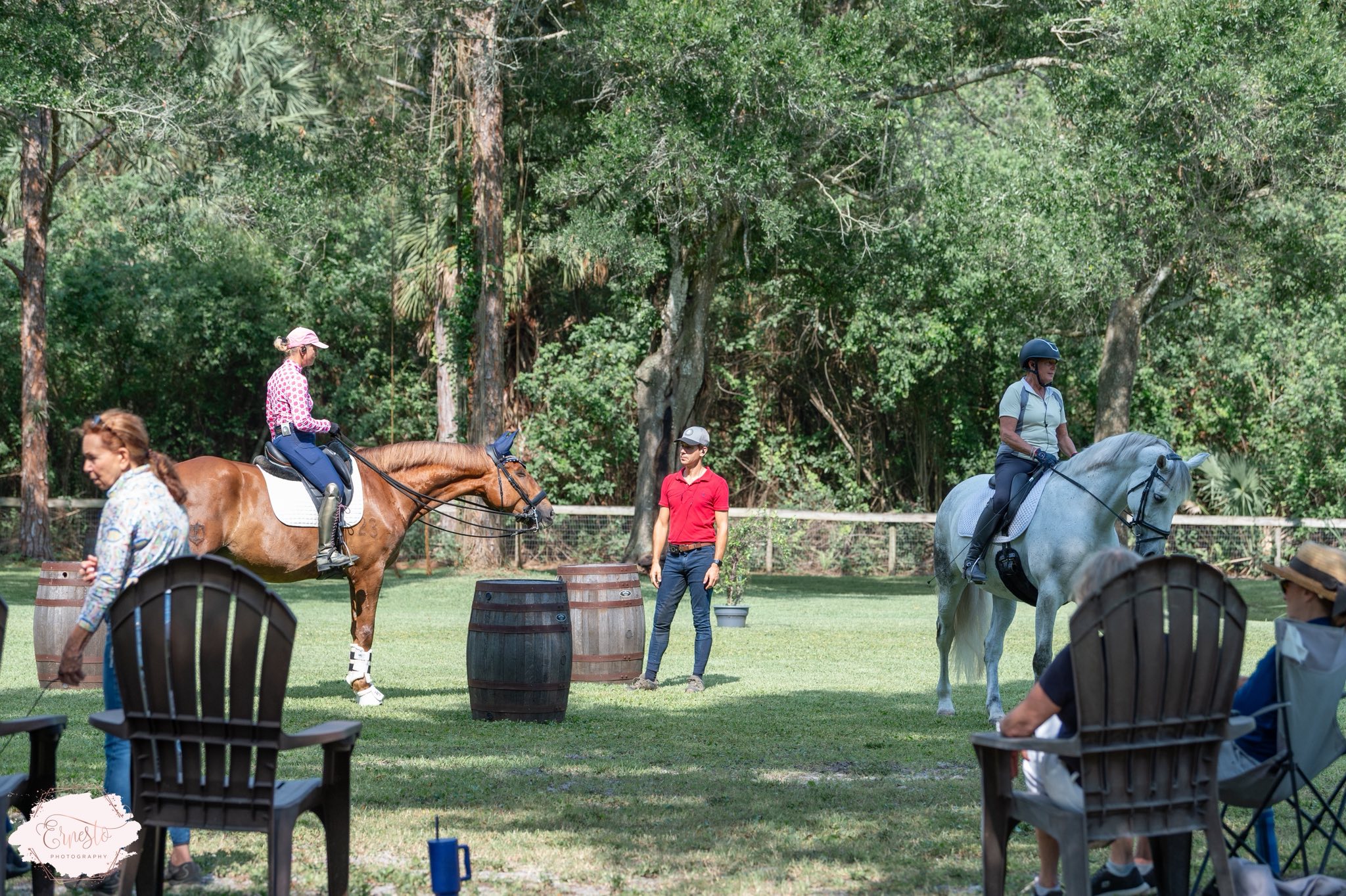
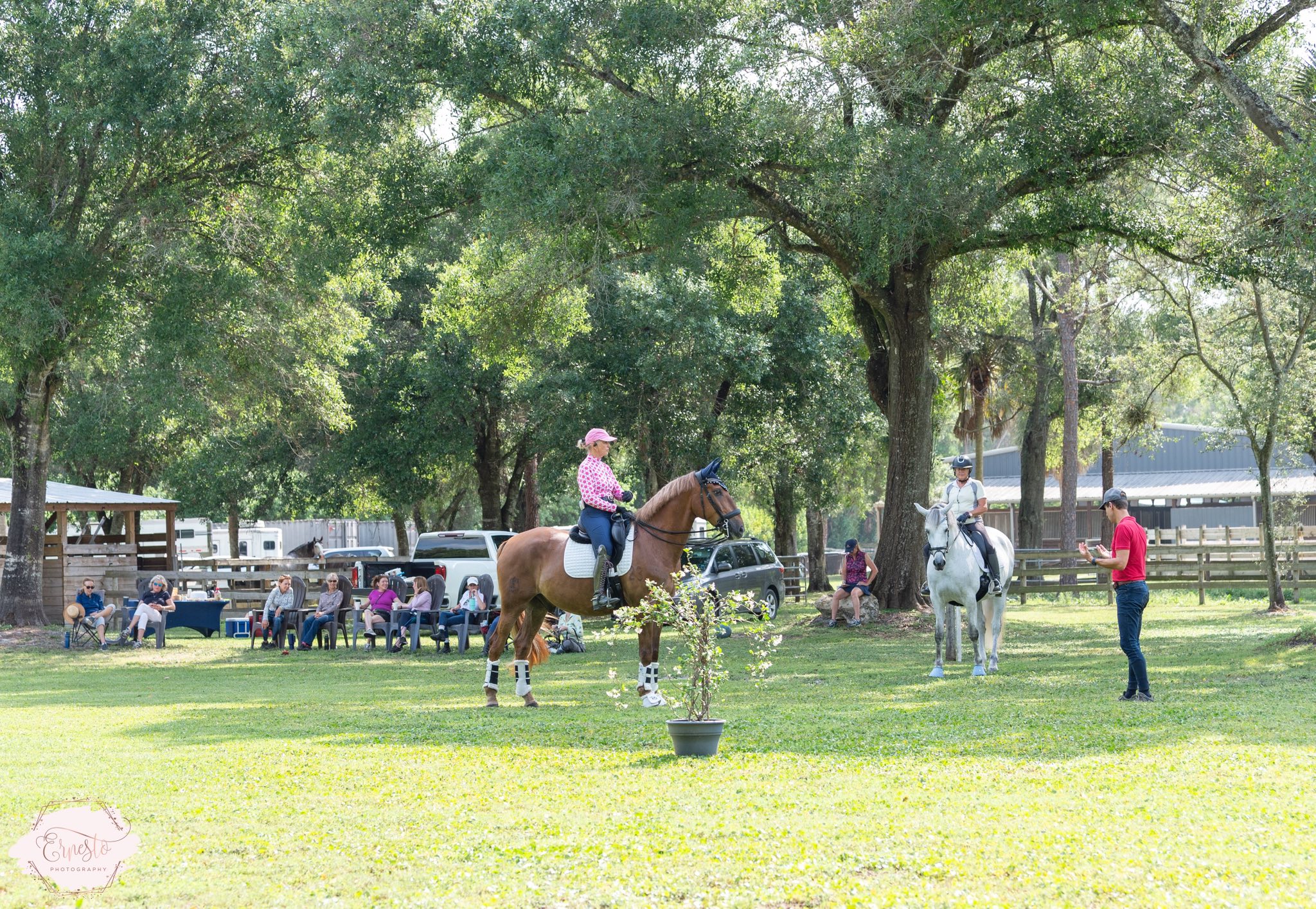
Tiago Ernesto teaching working equitation in Loxahatchee, FL March 2026 Photo credit Ernesto Photography
What This Resource Area Will Grow Into
As the Train the Trainers Pathway develops, WEFL plans to build a practical library of educational resources for instructors, trainers, and barns.
Over time, this may include:
-
Sample lesson blueprints for beginner and developing riders
-
Obstacle teaching progressions
-
Group lesson structures and teaching strategies
-
Unmounted horsemanship lesson ideas
-
Safety and communication checklists
-
Teaching tools for rider confidence and lesson flow
-
Educational materials connected to clinics and instructor development events
-
Resources that help instructors bring working equitation into their own programs with more confidence and more clarity
This area is intended to become more than a collection of ideas. It is meant to become a usable resource hub for real instructors in real programs.
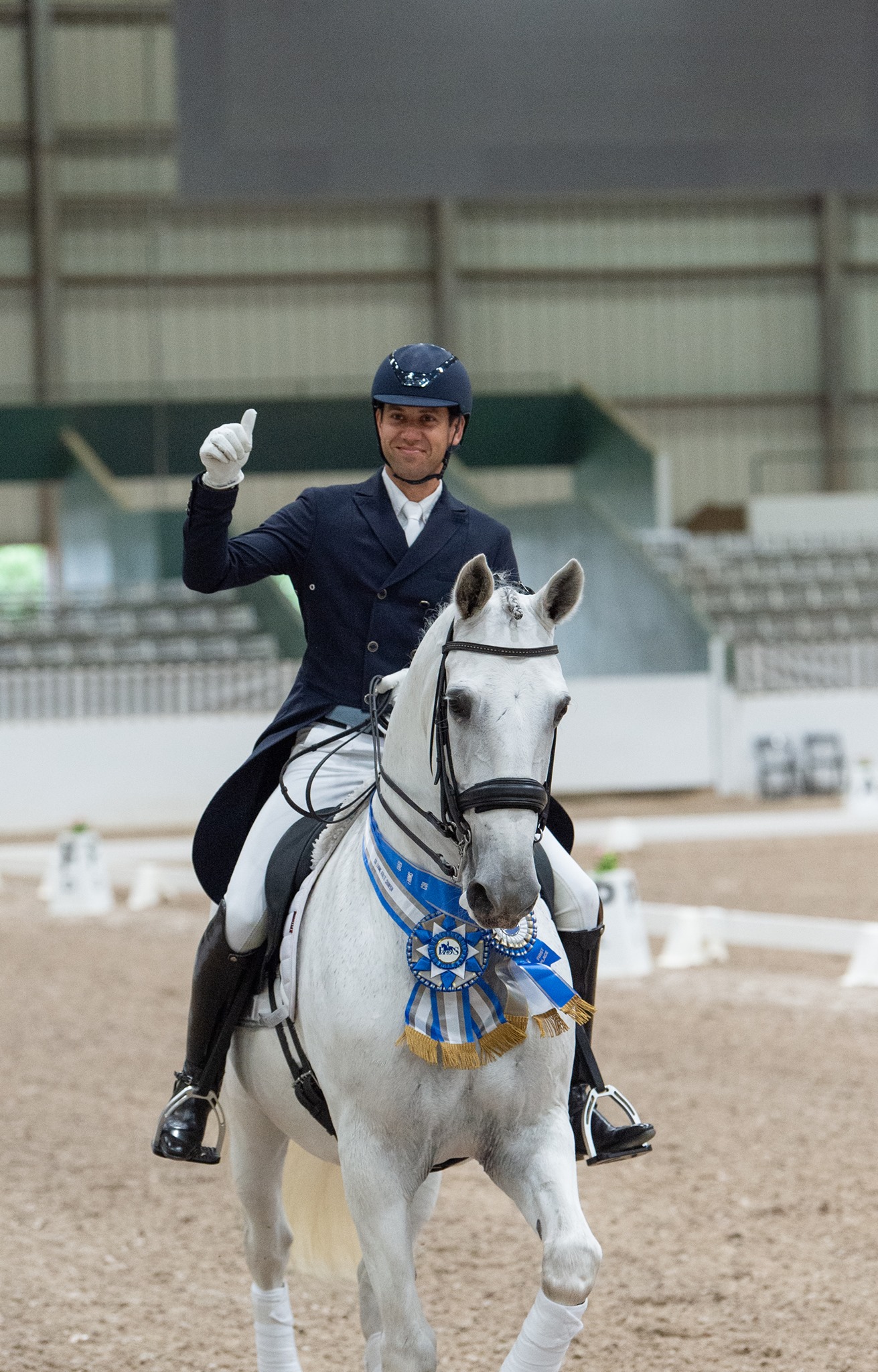
Tiago Ernesto
American-based Portuguese Grand Prix dressage rider Tiago Ernesto is a featured clinician for Working Equitation Florida, bringing a rare combination of FEI experience and deep working equitation roots.
Educated at Portugal’s historic Alter Real National Stud in Alter do Chão – the state stud that breeds and schools the Lusitano stallions used by the Portuguese School of Equestrian Art, one of Europe’s “Big Four” classical riding academies – Tiago was trained in a system designed not only to create highly schooled horses, but also to produce riders who know how to teach others.
“Good working equitation instruction is not only about riding the obstacles. It is about building understanding, balance, confidence, and progression in both horse and rider.”
That background, combined with over a decade of training and coaching in the U.S., makes him exceptionally qualified to help riders and instructors connect classical principles to practical, teachable skills in working equitation.
Save the Date!
Join us for a special clinic with Tiago Oct 3 - 4, 2026 at the Jacksonville Equestrian Center. More details coming soon!
What’s Coming
This page is only a first look at what is to come. Riding spots in Train the Trainers clinics will be limited (approximately 10–15 riders), with a capped group of interactive auditors and additional auditing as facility space allows. Founding Members receive first priority for these limited spots, then other WEFL members, with any remaining spaces offered to the general public.
WEFL is developing the Train the Trainers Pathway to support better teaching, stronger lesson programs, and more knowledgeable instructors throughout Florida and beyond. In-person education, practical teaching resources, and a growing library of instructor-focused content are all part of that vision.
We are not only building riders. We are building teachers.